Blog

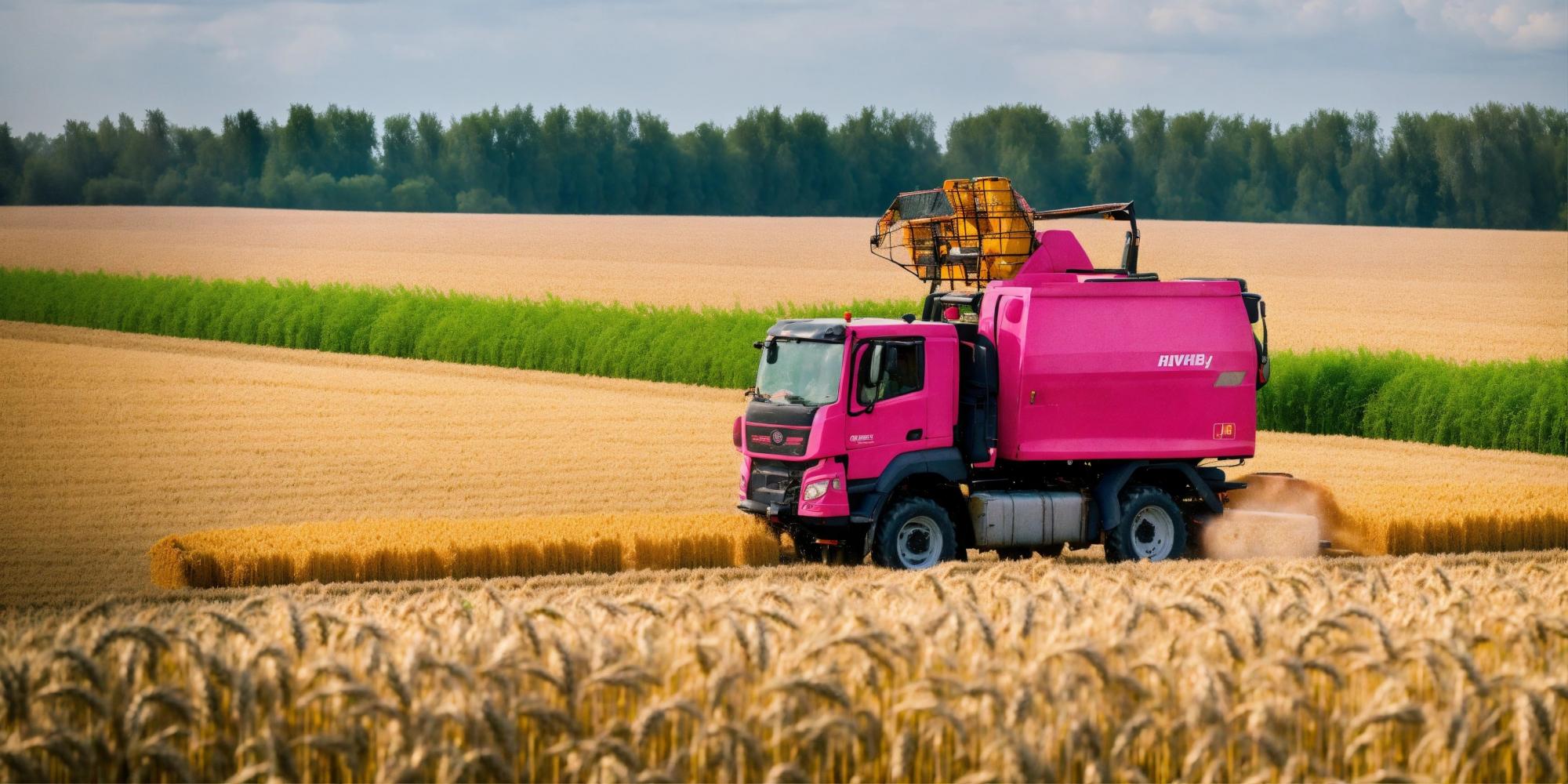
The anticipated global market for rice harvesters
Rice is cultivated in over 120 countries worldwide, with 90% of production coming from Asia. China and India are the largest producers, accounting for 52% of global output. Other Asian countries like Bangladesh, Indonesia, Vietnam, Japan, and Southeast Asian nations contribute the remaining 38% of Asian production. In South America, Brazil leads with almost 3% of the world's rice output, while the U.S. has a historical background in rice farming, producing around 2% of global production.
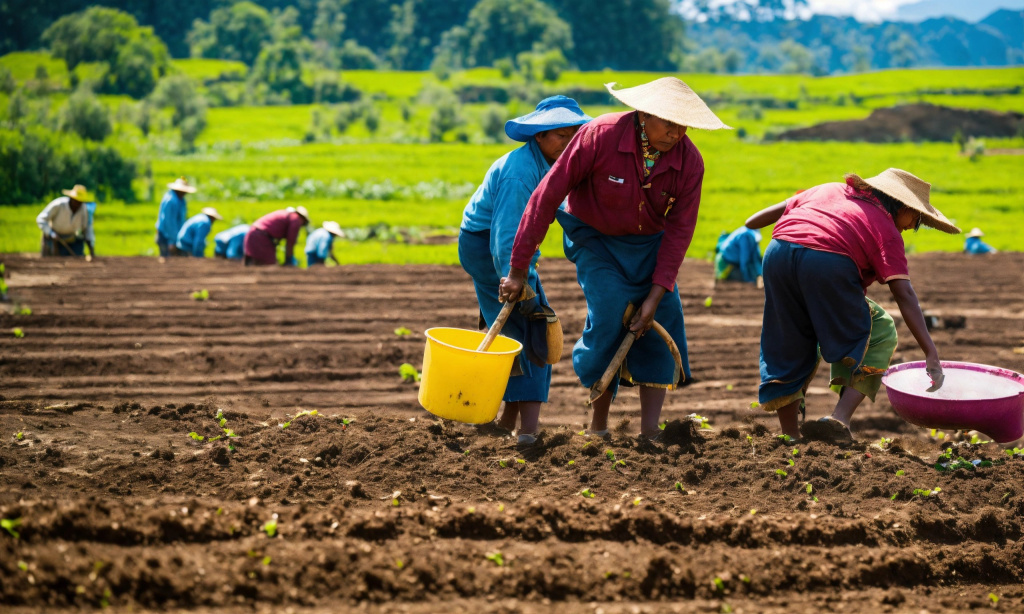
Many developing countries have mountainous terrain and small-scale rice farmers who may find investing in mechanical harvesting impractical or economically unjustifiable compared to labor costs. In contrast, rice farming is a significant industry in developed countries, necessitating automation.
Due to the growing global population's demand for increased rice and wheat production, technological advancements are being embraced to enhance efficiency. The global market for combine harvesters, used for rice, wheat, and soybean harvesting, is projected to grow at a compound annual growth rate of 4.5%, reaching over US$62.8 million by 2028 from US$52.74 million in 2024.
Key features of a rice harvester
Rice is a cereal crop that grows submerged in water, typically between 2 to 4 inches deep in irrigated paddy fields. The cultivation of rice in stepped paddies on hillsides across Asia limits the use of large machinery for harvesting, making manual labor the predominant method. In more developed regions with expansive fields, mechanized harvesting using rice harvesters is feasible.
During harvesting, paddies are drained as the rice fields dry out. The rice plants, with a water content of around 20-25%, are then cut, threshed, and cleaned to remove impurities before drying and milling. Automated rice harvesters can perform multiple tasks in one pass, equipped with features like rubber tracks for wet fields and advanced sensor technology for efficient grain collection.
Rice harvesters are commonly powered by diesel engines, ranging from 10 hp to 450 hp. While basic models offer mechanical operation, newer models incorporate advanced technologies to optimize productivity and minimize losses.
Variety of rice harvester models available Mini combine harvesters are suitable for small-scale family farms in developing countries where investing in technology is a significant commitment compared to utilizing labor. These harvesters have low capacity but can reap, thresh, and clean rice, dispensing the grain for collection in sacks or containers.