Blog

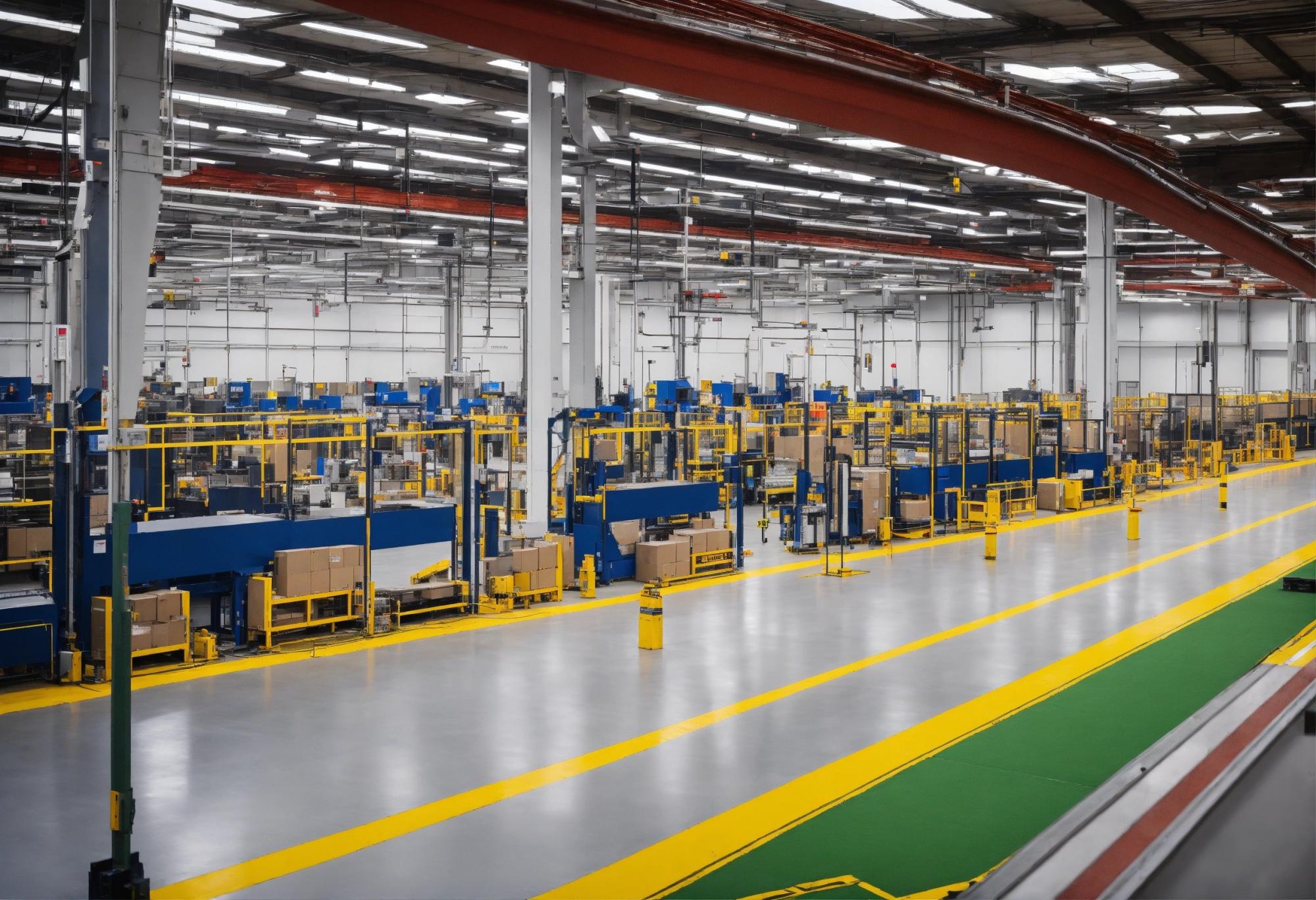
Before diving into the realm of purchasing weaving machines, there are essential factors to consider. Firstly, one must be aware of the various types of weaving machines available. Secondly, it is crucial to note that the market is flooded with a plethora of weaving machine models. Many buyers often make the mistake of acquiring weaving machines without fully understanding their capabilities and specifications.
This article aims to guide buyers on selecting appropriate weaving machines and provide an overview of the current weaving machine market landscape. It will also delve into the market's share, size, demand, and anticipated growth.
Global weaving machinery market segments include machine types, weaving types, applications, and regions. Weaving types such as plain weave, twill weaving, and satin weaving contribute to the market's expansion, driven by the growing demand for apparel-based products.
According to Mordor Intelligence, the global weaving market is projected to grow at a CAGR of 4.1% from 2022 to 2027, attributed to the rise of technical fabrics necessitating the use of weaving machines. Weaving plays a vital role in the clothing and textile industries by providing products with enhanced efficiency and durability to meet consumer demands.
Regionally, North America, Asia Pacific, Europe, the Middle East, and Africa are key segments of the international weaving market share. The demand for weaving machinery in these regions has surged due to the presence of major manufacturers and government initiatives, such as reduced duties on weaving machinery, contributing to market expansion.
Weaving machines consist of essential components like the frame, warp beam, apron bar, reed, and heddles, enabling the weaving of fabric efficiently. Traditional looms involved inserting weft threads using a shuttle, while modern weaving machines automate this process, increasing productivity.
Different types of weaving machines include shuttle weaving machines, circular weaving machines, and narrow fabric weaving machines, each offering unique advantages and limitations. From shuttle looms' economical nature to circular looms' higher weaving quality, buyers can choose weaving machines based on their production needs and preferences.