Blog

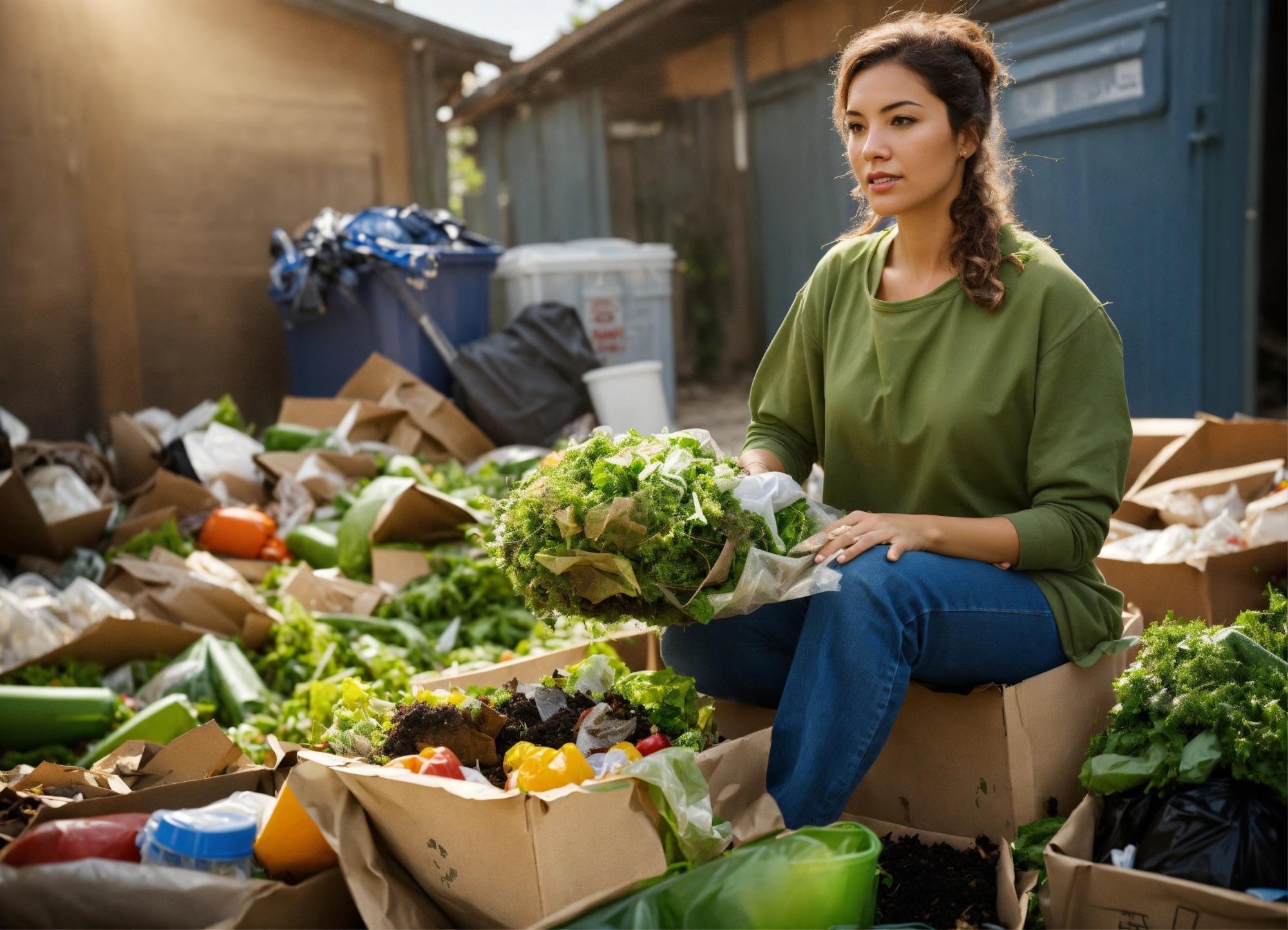
Exploring the transformative impact of packaging on waste reduction, utilization of renewable resources, and promotion of a more sustainable future.
For the full realization of the advantages of a circular economy, it is crucial for corporations, customers, and authorities to cooperate. acknowledgment: dimitri tymchenko through shutterstock.
In a period increasingly focused on sustainability, the notion of a circular economy has gained significant momentum. a circular economy aims to redefine expansion, emphasizing positive societal-wide advantages.
It involves gradually disconnecting economic operations from the utilization of limited resources, and eliminating waste from the system. supported by a shift to renewable energy sources, the circular model develops economic, environmental, and social wealth.
Packaging plays a crucial role in this framework, offering an interesting perspective through which we can comprehend and boost sustainability endeavors.
The significance of eco-friendly packaging
packaging is essential to the contemporary supply chain, safeguarding products from producer to market, and directly interacting with consumers.
yet, traditional packaging models follow a linear approach: materials are manufactured, used, and then discarded. conversely, sustainable packaging tactics are developed to be restorative, improving the capacity to recycle and reuse materials.
sustainable packaging diminishes the environmental influence through a variety of key approaches.
initially, it reduces the consumption of raw materials. secondly, it heightens the utilization of recycled or sustainably acquired materials. thirdly, it is intended for reuse, recycling, or composting, ideally retaining the quality and integrity of the material during each cycle.
these practices are not only environmentally advantageous but also economically advantageous, frequently involving a reduction in material expenses and waste-related costs.

Innovation and planning in circular packaging
innovation in packaging design is essential for the triumph of a circular economy. countless companies are currently investing in research and development to produce packaging solutions that are both efficient and sustainable.
this encompasses the utilization of new substances and technologies that can be effortlessly recycled or biodegrade more effectively. for instance, the progress of bioplastics has seen significant advancement.
these plastics, derived from natural resources like corn starch or sugarcane, can offer similar attributes to traditional plastics but are generally more eco-friendly when correctly disposed of.
additionally, design considerations are now progressively concentrating on the conclusion of the packaging's life cycle. design for disassembly is an expanding methodology where products are devised to be easily disassembled into their constituent materials, which can then be separately recycled.
this not only supports recycling but also maximizes the purity and quality of the recyclable materials, consequently backing a more resilient circular system.
Obstacles and possibilities
while there are numerous chances within circular economy models for packaging, there are also considerable obstacles to overcome.
one of the main challenges is the economic and technological practicality of recycling specific materials. for instance, multi-layered packaging substances that boost shelf life and product safety can be challenging to recycle.
this requires a balance between product safeguarding, consumer safety, and environmental sustainability.
another challenge is consumer conduct. customer awareness and engagement are essential for the triumph of circular models. people need to be educated on how to effectively dispose of packaging so that it can be reintegrated into the circular system successfully.
this encompasses understanding what can be recycled and the significance of actions like cleaning food containers before recycling.
furthermore, regulatory structures play a crucial role. authorities can promote circular economy endeavors by formulating and implementing regulations that urge or mandate sustainable packaging practices.
this could encompass incentives for utilizing recycled materials, or penalties for utilizing non-recyclable packaging.
The necessity for a holistic change
the transition to a circular economy necessitates a broad change in how we perceive and manage resources, including packaging.
packaging, frequently perceived merely as a means to an end, in reality presents the key to substantial environmental effects. by focusing on sustainable packaging, companies can decrease waste, lessen their environmental influence, and generate economic prospects.
innovation in this domain is thriving, propelled by both advancing technologies and escalating consumer demand for sustainable products.